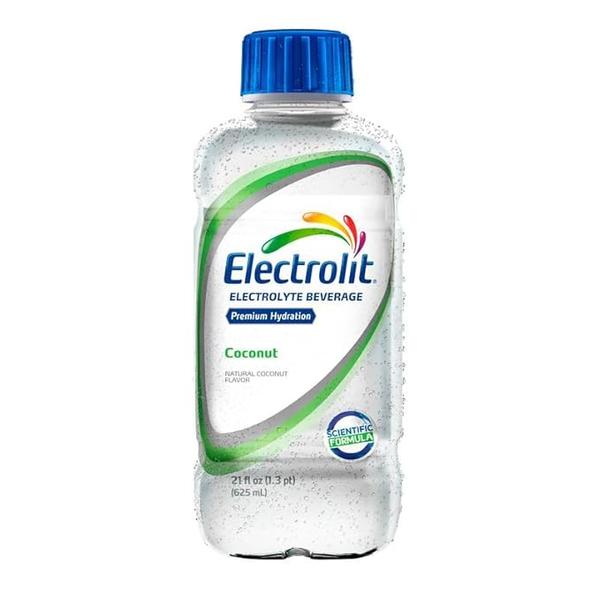
OXXO is unquestionably good at customer experience. Their Net Promoter Score is 86+ (which is super high for retail). They also sell Electrolit Coconut, which is my third favorite beverage in the
country.
One of the best ways Oxxo can continue to grow is to make sure they are
delighting the 14% of their customers who would NOT currently recommend them to friends.
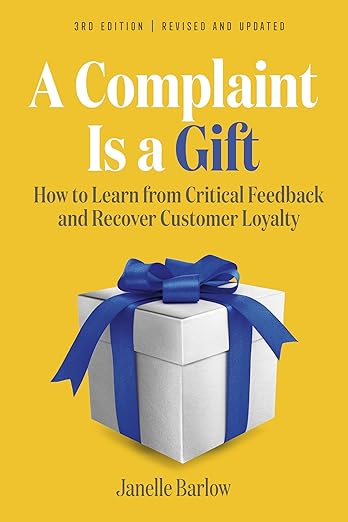
And the way you can do that is to EMBRACE complaints.
The reality is that for every 100 dissatisfied customers, only FIVE will complain.
Mathematically, this means that for every complaint you get as a business, on average 19 other people had a similar issue, but stayed mum.
Not because they aren't sufficiently irked, but because they don't CARE ENOUGH to say something. It's so easy to change to a different store/brand/bank/groomer/whatever that for many people it's simpler to just switch allegiances rather than engage in constructive conflict via feedback provision.
THAT'S what kills businesses: apathy (not ire).
When I was running my global consultancy, Convince & Convert, we worked with Pella Windows & Doors. They are a large, successful business. Very high satisfaction rates, especially for custom
work.
But at the beginning of every executive team meeting, they started not with
financial results. Or anniversaries. Or the pledge of allegiance.
They started every meeting by reading a customer complaint.
They choose to reinforce to all executives that even when they are doing well, they disappoint customers every day.
Wow.
This is why customer negativity and complaints are so crucial to your business, as well. And mine, for that matter.
Because complaints are rare.
Because they likely
represent the views of more than the sole customer that communicated the issue.
Because
they provide the raw material for operational improvement.
Sure, it's nice to celebrate
your wins. And you should. I do, too. I'm not a monster.
But it's a better business
practice to not just focus on negativity, but wherever possible truly embrace and solicit customers to go on-record with any disappointments.
What can you do - operationally and culturally - to embrace complaints and stop making the big mistake most business leaders make: focusing too much on positives and not enough on negatives?